

What is a DPF and Its Purpose
Captures and Stores Exhaust Soot
A Diesel Particulate Filter (DPF) is a crucial component in modern diesel engines, designed to reduce harmful emissions. Its primary function is to capture and store exhaust soot, which consists of tiny particles that result from diesel combustion. If these particulates are released directly into the atmosphere, they contribute significantly to air pollution and pose health risks. By capturing and storing these soot particles, the DPF helps reduce the overall particulate matter (PM) emissions from diesel vehicles.
Acts as a Soot Trap in Diesel Vehicles
DPFs are often called soot traps because they literally trap and hold the soot generated during the combustion process. This mechanical filtration is achieved using a structure typically made of ceramic material, which provides a large surface area to capture these tiny particles. The effectiveness of DPFs in reducing particulate emissions makes them essential in meeting stringent emissions regulations.
Designed to Periodically Regenerate
One unique feature of the DPF is its ability to regenerate itself. Regeneration is the process through which the accumulated soot is burned off at high temperatures, converting it into ash. There are several ways this can occur:
- Passive Regeneration: This happens automatically when the vehicle is driven at high speeds for an extended period, allowing the exhaust temperature to rise sufficiently to burn off the soot.
- Active Regeneration: If the exhaust temperatures are not high enough for passive regeneration, the vehicle’s engine control unit (ECU) will adjust the engine settings, such as fuel injection timing, to increase the exhaust temperature. This process ensures that the soot is periodically burned off.
- Forced Regeneration: In cases where both passive and active regeneration are insufficient, a forced regeneration may be needed. This process involves using diagnostic tools to manually initiate the regeneration, ensuring the DPF is cleared of soot accumulation.
Regular regeneration of the DPF is essential for maintaining engine performance and fuel efficiency. Failure to regenerate or improperly operating DPFs can lead to blockages that result in increased engine wear, poor performance, and higher emissions.

Common Causes of DPF Blockage
Short Journeys and Low-Speed Driving
Diesel particulate filters (DPFs) are designed to regenerate periodically by burning off accumulated soot particles. However, this regeneration process requires the vehicle to reach and maintain certain temperatures—typically only achievable during longer, high-speed drives. Short journeys and low-speed driving often prevent the engine from reaching these optimal temperatures, hindering the regeneration process. Consequently, soot continues to accumulate in the DPF, leading to blockages much quicker than in vehicles subjected to longer, high-speed travel.
Poor Quality Fuel and Incorrect Oil Type
Using poor-quality fuel can significantly impact the performance of a DPF. Low-grade diesel may contain higher levels of impurities, leading to increased soot production and faster filter clogging. Moreover, mixing different fuel types can damage the DPF and contribute to its premature blockage.
Equally critical is the type of oil used. Oil with high sulphated ash, phosphorus, and sulphur (SAPS) content can exacerbate DPF clogging due to higher SAPS levels leading to more ash production during combustion. Therefore, it is essential to use engine oil that meets the specifications recommended by the vehicle manufacturer.
Faulty Engine Components
Several faulty engine components can also cause DPF blockages. For instance, the exhaust gas recirculation (EGR) valve, which recirculates a portion of the exhaust gases back into the engine, can malfunction and produce excessive soot. A stuck or faulty EGR valve can contaminate the intake with oily residues, leading to higher soot production and quicker DPF blockages.
Additionally, a defective turbocharger can contribute to the issue. A faulty turbocharger may allow oil to pass through its seals into the exhaust system, burning and creating dense, oily soot that clogs the DPF. Similarly, problems with fuel injectors can cause the engine to run rich, producing more soot and exacerbating DPF blockages.

Signs of a Blocked DPF
Dashboard Warning Lights and Reduced Engine Performance
One of the earliest and most noticeable signs of a blocked Diesel Particulate Filter (DPF) is the illumination of warning lights on the dashboard. Diesel vehicles are equipped with sensors that monitor the state of the DPF and alert the driver when the filter becomes clogged. The DPF warning light typically activates when the filter is unable to regenerate properly due to excessive soot build-up.
Alongside these warning lights, you may experience a drop in engine performance. A blocked DPF restricts the flow of exhaust gases, leading to a noticeable loss of engine power. Drivers often report their vehicles feeling sluggish or having difficulty accelerating, particularly when attempting to overtake or climb hills. This restriction can severely compromise overall engine efficiency.
Poor Fuel Economy and Unusual Engine Sounds
Another consequence of a blocked DPF is a decrease in fuel economy. The engine has to work harder to force exhaust gases through the clogged filter, resulting in increased fuel consumption. This inefficiency not only affects your wallet but contradicts efforts to run a cleaner, more sustainable vehicle.
Unusual engine sounds can also signal a blocked DPF. You might hear whistling, hissing, or excessive noise as the gases struggle to pass through the obstruction.
Black Exhaust Smoke and Difficulty Starting
One of the more obvious symptoms of a blocked DPF is the emission of black smoke from the exhaust. This occurs because the trapped soot particles hinder proper combustion within the engine. When the DPF cannot regenerate and burn off these particles, they are expelled as black smoke, especially during acceleration or under heavy load conditions.
Starting issues are also common signs of a blocked DPF. A clogged filter increases pressure within the engine, causing difficulties in the ignition process. This problem can be particularly severe in colder weather or after the vehicle has been idle for a prolonged period. These starting issues are often coupled with a noticeable smell of diesel fuel within the cabin.
Identifying and addressing these signs early can prevent more severe damage to your vehicle’s engine and the DPF. Regular monitoring and appropriate maintenance can ensure the longevity and efficiency of your diesel vehicle. By understanding these symptoms, drivers can take proactive actions to mitigate the adverse effects of a blocked DPF.

Prevention Strategies
Regular Highway Driving to Allow Regeneration
One of the most effective strategies for preventing Diesel Particulate Filter (DPF) blockages is engaging in regular highway driving. The process of DPF regeneration is more efficient when the vehicle is driven at higher speeds, maintaining a constant speed for a sustained period. Typically, driving at speeds of at least 60 kph for 20 minutes or more allows the exhaust temperature to rise sufficiently to burn off the accumulated soot in the filter automatically. This method of regeneration, known as passive regeneration, is highly beneficial because it occurs naturally during normal vehicle operation.
In contrast, short, stop-and-go city journeys do not generate the necessary exhaust temperatures, leading to incomplete regeneration. Over time, this can cause the DPF to become clogged. Therefore, it is advisable for diesel vehicle owners to incorporate regular long-distance travel into their driving routine to help maintain the health of their DPF.
Use Manufacturer-Recommended Oil and High-Quality Fuel
The type of fuel and oil used in a diesel vehicle can significantly influence the health of the DPF. Using high-quality diesel fuel is crucial because low-quality fuel can lead to contamination and blockages within the DPF. Mixed or poor-quality fuel can introduce impurities that coat the filter and impede proper regeneration. Moreover, premium fuels such as Hydrotreated Vegetable Oil (HVO) can reduce emissions and enhance DPF cleanliness.
Similarly, the correct engine oil is pivotal. Diesel engines with DPFs require a specific type of low ash oil, often designated as CJ-4 or equivalent. Using the wrong type of oil can increase ash content in the exhaust, contributing to faster filter clogging.
Adhere to Maintenance Schedules and Address Engine Issues Promptly
Adhering to the manufacturer’s maintenance schedules is essential for preventing DPF blockages. Regular servicing ensures that any potential issues are detected early, before they lead to more severe problems. Typically, a DPF should be checked and cleaned every 60,000 to 200,000 miles, depending on the vehicle type and usage patterns.
It is also important to address any engine issues promptly. Faulty engine components such as Exhaust Gas Recirculation (EGR) valves or turbochargers can lead to incomplete combustion, resulting in excessive soot production that can quickly clog the DPF. Regular inspections and timely replacements or repairs of these components are pivotal in maintaining the overall health of the vehicle and its emissions system.
Maintenance and Solutions
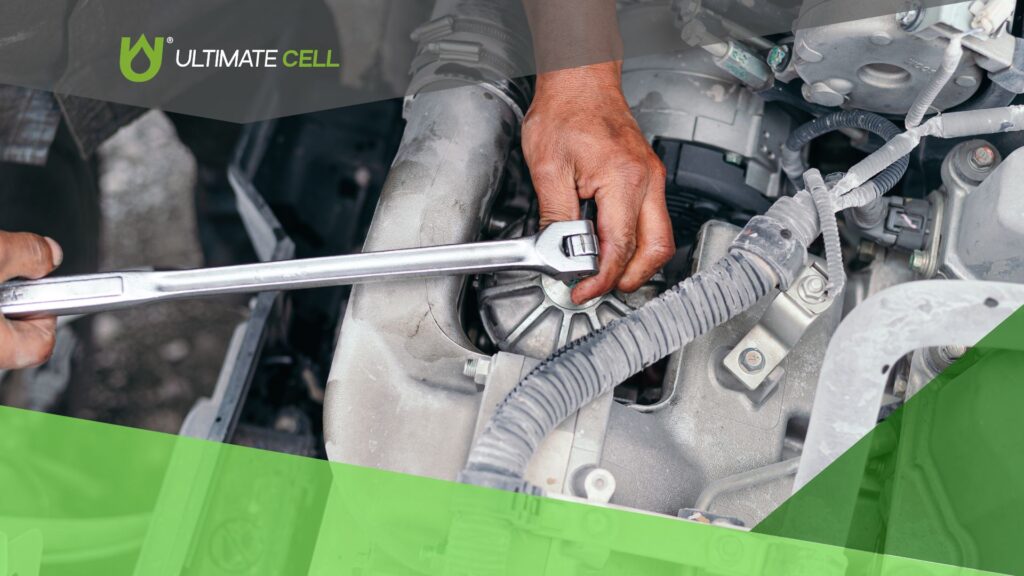
Proper maintenance of a Diesel Particulate Filter (DPF) is crucial to prevent blockages and maintain vehicle performance. The following are key maintenance strategies and solutions to address DPF issues effectively.
Professional DPF Cleaning Services
Though regular driving practices and proper upkeep can prolong the intervals between DPF servicing, professional cleaning is sometimes necessary. Over time, soot and ash accumulate within the DPF, reducing its efficiency and leading to potential blockages. Professional DPF cleaning services employ various methods to thoroughly clean the filter, ensuring efficient performance.
These services typically use high-pressure air or fluid to remove particulates, or they may employ thermal cleaning processes. Choosing a reputable service provider with experience in DPF cleaning is essential to ensure the process is both effective and safe.
Forced Regeneration Through Diagnostic Tools
When regular passive regeneration is insufficient, forced regeneration may be needed. This process uses diagnostic tools to manually initiate a regeneration cycle and burn off soot accumulation. OBD2 scanners can initiate this process by connecting to the vehicle’s onboard diagnostic system and following specific prompts.
Forcing a regeneration involves ensuring that the vehicle’s conditions are optimal. The engine must be running, and the vehicle should ideally be driven at a certain speed. Advanced diagnostic tools like the OTR Reset Tool can facilitate this by providing bi-directional commands to the vehicle’s computer systems, making the procedure faster and more accessible.
Regular Servicing Every 100,000 Miles or as Recommended
Regular servicing according to the manufacturer’s guidelines is crucial. Most vehicle manufacturers recommend servicing and cleaning the DPF every 100,000 miles or sometimes sooner, depending on the specific vehicle make and model. Following this interval helps prevent the accumulation of ash and soot that can become hardened and difficult to remove.
The servicing interval can vary based on driving conditions and vehicle usage. For instance, vehicles frequently used for short trips or city driving may require more frequent servicing. Retrofitted DPF systems typically need attention every 75,000 miles to maintain optimal performance.
Regular maintenance includes inspecting and replacing faulty components like EGR valves, turbochargers, and fuel injectors, which can contribute to DPF blockages. Using high-quality fuel and manufacturer-recommended oil ensures minimal soot production, further aiding in maintaining DPF efficiency.
Keeping up with prescribed maintenance schedules not only prevents DPF blockages but also ensures the overall health of the vehicle’s engine and exhaust system. By addressing any engine issues promptly and ensuring the proper functioning of all related components, the longevity and performance of the DPF can be significantly enhanced.

Conclusion
In summary, understanding the importance of Diesel Particulate Filters and how to maintain them is vital for every diesel vehicle owner. By recognising the signs of DPF blockages, adhering to prevention strategies, and ensuring regular maintenance, you can significantly prolong the life of your engine and enhance your vehicle’s efficiency.
If you suspect that your DPF may be blocked or if you have questions about maintenance, we encourage you to consult with a qualified mechanic. Regular check-ups and using quality products can save you from costly repairs down the line. Stay proactive about your vehicle’s health, and drive towards a cleaner, more efficient future!