


1. Efficient Driving Techniques
Maintain Steady Speed and Avoid Rapid Acceleration/Braking
Maintaining a steady speed while driving is crucial for fuel efficiency. Avoiding constant fluctuations in speed allows your vehicle’s engine to operate smoothly, consuming less fuel and emitting fewer pollutants. Conversely, rapid acceleration and braking negatively impact fuel economy.
Here’s why: It takes significantly more energy to move a vehicle from a complete stop than to maintain a constant speed. In fact, accelerating from a dead stop can use up to 20% more fuel than if you were already moving at around 5 mph.
Aggressive driving, characterised by quick acceleration and hard braking, can reduce your fuel mileage by 15% to 30% on highways and 10% to 40% in stop-and-go traffic. Staying smooth on the accelerator and brake pedals should be a priority for anyone looking to maximise fuel efficiency.
Use Cruise Control When Possible on Highways
Cruise control is a valuable tool for improving fuel economy during highway driving. This feature helps maintain a constant speed, minimising unnecessary acceleration and deceleration, which are often the primary causes of increased fuel consumption. Using cruise control can help keep fuel consumption in check by ensuring a steady speed.
For long highway trips, cruise control can save an average of 7-14% on fuel compared to varying speeds seen in manual driving. However, it’s essential to use cruise control under suitable conditions; avoid using it on winding roads, in heavy traffic, or during adverse weather.
Anticipate Traffic and Coast to Decelerate
Anticipating traffic movements and adjusting your speed can significantly reduce fuel use. By observing the road ahead and reacting early to potential stops or slowdowns, you can decelerate smoothly instead of braking harshly at the last moment. For instance, easing off the accelerator well before a stop sign or red light allows your vehicle to decelerate gradually, conserving momentum and using less fuel.
Coasting to decelerate—where you let the vehicle slow down naturally by lifting your foot off the pedal—uses zero fuel. This technique not only conserves fuel but also reduces wear and tear on your brakes, leading to lower maintenance costs.

2. Vehicle Maintenance
Regular vehicle maintenance is essential for ensuring your car runs smoothly and efficiently. Not only does it prolong the life of your vehicle, but it also significantly impacts fuel consumption. This section discusses key aspects of vehicle maintenance that can enhance fuel efficiency.
Keep Tyres Properly Inflated
Proper tyre inflation is vital for maintaining optimal fuel efficiency. For every 1 psi missing from your car’s set of four tyres, you lose 0.1% of your gas mileage. Under-inflated tyres can lower gas mileage by about 0.2% for each psi drop in the average pressure of all tyres. Over time, this adds up, leading to more frequent trips to the petrol station and more money out of your pocket.
Keeping your tyres at the recommended pressure can improve your gas mileage by up to 3.3%. Be aware that over-inflating your tyres is not advisable; it can increase rolling resistance due to less flexibility, which can also diminish fuel efficiency.
Regular Engine Maintenance
A well-maintained engine is key to fuel efficiency. Routine engine maintenance includes regular oil changes, air filter replacements, and spark plug inspections. These simple steps can significantly enhance your vehicle’s fuel economy.
Oil and Filter Changes
Changing the engine oil and oil filter at the manufacturer’s recommended intervals ensures that your engine runs smoothly. Dirty, old oil can make the engine work harder, consuming more fuel. Most owner’s manuals suggest changing the engine oil and filter every 3,000 to 5,000 miles.
Air Filter Replacements
Replacing a clogged air filter allows the engine to receive the right amount of air, thereby improving efficiency. A clean air filter can enhance your car’s gas mileage by as much as 10%. It’s a straightforward and cost-effective way to boost your engine’s performance.
Spark Plug Inspections
Spark plugs are vital for the combustion cycle in your engine. Worn or dirty spark plugs can cause misfires, wasting fuel. Replacing faulty spark plugs can help maintain optimal engine efficiency. It is generally recommended to replace spark plugs every 30,000 to 90,000 miles, depending on your vehicle.
Ensure Oxygen Sensors Are Functioning Correctly
Oxygen sensors play a significant role in controlling emissions and fuel efficiency. These sensors, also known as O2 or air-fuel sensors, monitor the oxygen levels in your car’s exhaust gases. This information allows the engine control unit (ECU) to adjust the air-fuel mixture for optimal combustion and fuel efficiency.
A malfunctioning oxygen sensor can lead to poor fuel economy. In fact, fixing a serious issue with the oxygen sensor can improve your mileage by up to 40%. Therefore, it’s crucial to ensure that your oxygen sensors are functioning correctly. Regular check-ups can help you avoid issues that reduce your car’s overall efficiency.
By focusing on these aspects of vehicle maintenance, you can significantly improve your car’s fuel efficiency, save money, and reduce your environmental footprint. Remember, a well-maintained car is not just about performance; it’s about efficiency and sustainability.

3. Weight and Aerodynamics
Remove Unnecessary Items from Your Car
Reducing your car’s weight can greatly enhance its fuel efficiency. For every 100 pounds you remove, you could see an improvement in fuel economy by up to 2%. This is particularly true for smaller vehicles where the impact of additional weight is more noticeable. Heavy items in your trunk, such as tools, sports equipment, or seasonal products, can add unnecessary weight and decrease your vehicle’s fuel efficiency. Therefore, clearing out these items can help you achieve better mileage.
Remove Roof Racks When Not in Use
Aerodynamic drag significantly impacts fuel economy, especially at higher speeds. Unused roof racks can create considerable drag, forcing your engine to work harder and consume more fuel. Research shows that roof racks increase fuel consumption by 1.1% to 2.6% even when unloaded.
Using a rooftop cargo box can lead to even more significant reductions. Consumer Reports found that using such a box can decrease fuel economy by up to 25%. Removing these when they are not in use can instantly enhance your vehicle’s performance and lead to cost savings on fuel.
Consider Vehicle Aerodynamics When Adding Modifications
Your car’s shape and surface affect how air flows over it, impacting fuel efficiency. Modifications that enhance aerodynamics can help reduce drag and improve fuel economy. For example, studies indicate that even modest reductions in the drag coefficient can yield significant fuel savings. A 10% reduction in drag can lead to a 5-7% decrease in fuel consumption, while a 20% reduction can save around 10-14%.
Consider some of these aerodynamic modifications:
- High-Flow Cold Air Intake System: This can improve your engine’s efficiency.
- Cat-Back Exhaust System: It enhances performance by allowing exhaust gases to exit more quickly.
- Performance Suspension Kits: These can lower your vehicle, reducing drag.
Lowering your vehicle and ensuring all air dams are intact can further reduce drag. It’s crucial to weigh the benefits and practicality of each modification to decide which ones suit your driving needs without compromising safety or comfort.

4. Journey Planning
When it comes to reducing fuel consumption, optimising your journey planning is essential. Efficient journey planning helps you avoid unnecessary driving and traffic congestion, ultimately saving fuel and reducing emissions.
Plan Routes to Avoid Traffic Congestion
One key strategy for reducing fuel consumption is to plan your routes in advance. Using apps with real-time traffic data, such as GPS and mapping services, can help you avoid traffic jams and road construction delays. By choosing less congested routes, you spend less time idling, which reduces fuel usage.
Combine Multiple Trips into One Journey
Another effective strategy is to combine multiple trips into one journey, also known as “trip-chaining.” This approach minimises the number of individual trips, allowing the engine to stay warm and run more efficiently. Combining errands also means you cover fewer miles overall, thereby reducing fuel consumption. Retailers and delivery services employ this technique to schedule their routes more efficiently, significantly slashing fuel costs.
For personal trips, plan ahead so that you can run all your errands in one go. This reduces the amount of stopping and starting, which is less efficient compared to continuous driving. For example, rather than making separate trips for grocery shopping, picking up dry cleaning, and visiting the post office, cluster these tasks into one outing.
Avoid Peak Traffic Times When Possible
Peak traffic times not only waste time but also fuel. Rush hours typically see highways and main roads crowded, leading to stop-and-go driving, which is less fuel efficient. To minimise your time in traffic, schedule your journeys for off-peak hours whenever possible. Early mornings, late evenings, or midday trips are typically less congested.
Some occasions require special event traffic considerations. Avoid travelling during local events or festivals where traffic might be diverted or heavy. A simple habit of checking traffic reports before you head out can save a lot of fuel in the long run.
Using real-time traffic data can help adapt your route to avoid unexpected delays. This is particularly useful for longer trips where conditions can change as you drive.
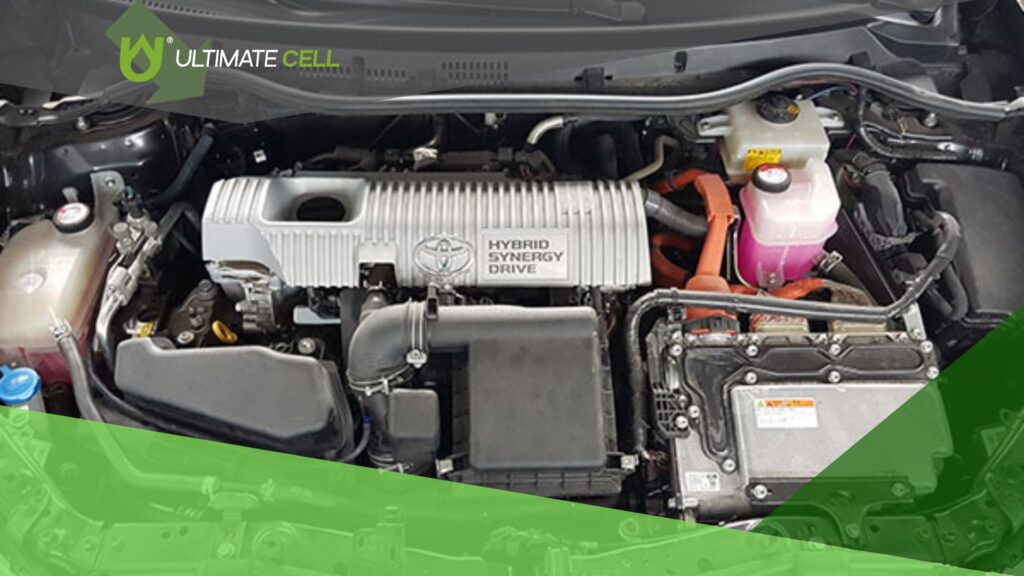
5. Ultimate Cell Installation
Understanding Ultimate Cell Technology
The Ultimate Cell is a revolutionary device that helps your vehicle run more efficiently by optimising fuel combustion. The core of this technology is hydrogen-on-demand, which uses an electronically controlled electrolysis process to produce hydrogen, enhancing your engine’s performance. When the engine starts, the Ultimate Cell separates hydrogen molecules, mixes them with the engine’s feed-air, and optimises combustion. This helps reduce fuel consumption and engine contamination significantly.
Benefits of Installing an Ultimate Cell
Increased Fuel Efficiency
One of the primary reasons to consider installing an Ultimate Cell is its substantial increase in fuel efficiency. This technology can reduce your vehicle’s fuel consumption by an impressive 18% to 38%. This not only means fewer trips to the petrol station but also significant savings on your fuel bills over time.
Reduction in Harmful Emissions
The Ultimate Cell excels in reducing harmful emissions. By optimising combustion, it cuts down the release of pollutants like CO2 by up to 80%. This makes it an eco-friendly choice, contributing to a reduction in your vehicle’s environmental impact.
Improved Engine Performance
The hydrogen acts as a catalyst, improving the efficiency and responsiveness of your engine. Vehicles equipped with the Ultimate Cell experience smoother and quieter engine operations. This translates to a more comfortable driving experience, with better torque at low and medium speeds.
Professional Installation
Importance of Certified Technicians
Installing an Ultimate Cell is not a DIY job. It’s crucial to have the device installed by certified professionals. The installation process involves integrating the system with your vehicle’s existing setup, and only trained technicians can ensure it’s done correctly and safely. Certified installation guarantees that the system works at its optimum capacity and continues to provide the benefits it’s designed for.
Regular Maintenance
Maintenance for Optimal Performance
To keep the Ultimate Cell functioning efficiently, regular maintenance is necessary. The electrolyte within the system lasts for up to 50,000 km for land vehicles and around 1,500 operating hours for power generators and boats. Regular checks and maintenance ensure that the device continues to enhance fuel efficiency and reduce emissions effectively.
Easy Recharging
The system is designed for easy recharging by certified technicians. Keeping up with these maintenance schedules will help you maximise the benefits of Ultimate Cell technology, ensuring your vehicle continues to save fuel and operate efficiently.