


1. Regular Maintenance: Your First Line of Defence
Ensuring your car runs smoothly isn’t just about a comfortable ride; it also impacts the environment. Routine engine maintenance plays a crucial role in minimising harmful emissions and maintaining optimal performance.
Importance of Routine Engine Maintenance for Optimal Performance
Imagine you’re heading out on a long trip. You want to make sure that every part of your car is in top shape. Routine engine maintenance ensures that your vehicle runs efficiently and cleanly. When you neglect these check-ups, you risk more than just poor performance—you increase your vehicle’s emissions and its environmental footprint.
By regularly inspecting and maintaining engine components, you can prevent issues before they arise, ensuring that your car runs at peak performance. This means better fuel economy, fewer breakdowns, and most importantly, reduced emissions.
How Clean Filters and Proper Oil Changes Reduce Emissions
Clean filters are like your car’s lungs. When they get clogged, the engine has to work harder, burning more fuel and emitting more pollutants. Air filters, in particular, play a direct role in the efficient combustion of fuel. By replacing air filters as needed, you ensure a clean and efficient burn, leading to lower emissions.
Oil changes are another critical aspect of maintenance. Over time, engine oil thickens and becomes less effective at lubricating engine parts. This increased friction means the engine works harder, consuming more fuel and generating more emissions. Regular oil changes keep your engine running smoothly and efficiently, keeping those harmful emissions in check.
The Role of Regular Servicing in Maintaining Emission Control Systems
Your car’s emission control systems—like the catalytic converter and oxygen sensors—are designed to reduce the number of pollutants released into the atmosphere. However, these systems require regular check-ups and maintenance to function correctly.
During a standard servicing, mechanics will inspect these components to ensure they are working efficiently. Problems like a faulty oxygen sensor can lead to increased emissions, as they disrupt the engine’s air-fuel mix. Similarly, a failing catalytic converter won’t properly filter out harmful substances from the exhaust. By catching these issues early and addressing them promptly, regular servicing plays an essential role in maintaining low emission levels.

2. Smart Driving Habits for Cleaner Emissions
When it comes to reducing your car’s emissions, how you drive can be just as important as how you maintain your vehicle. Responsible driving habits can significantly cut down on harmful emissions, save you money on fuel, and decrease your overall carbon footprint. Here we explore how aggressive driving, optimal speed ranges, and reducing engine idling time can contribute to a cleaner environment.
Impact of Aggressive Acceleration and Braking on Emissions
Aggressive driving behaviours, such as rapid acceleration and hard braking, can have a considerable negative impact on your vehicle’s emissions. When you floor the gas pedal and accelerate quickly, your engine burns fuel at a much faster rate than when you accelerate gently. This not only reduces fuel efficiency but also leads to an increase in the output of harmful pollutants.
Similarly, abrupt braking can waste the energy your vehicle has expended to reach a certain speed. When you brake suddenly, much of that energy is lost as heat, and your vehicle’s inertia requires your engine to work harder to regain speed, resulting in more fuel consumption and higher emissions. By adopting smoother acceleration and braking habits, you can limit the stress on your engine and consequently reduce emissions.
Optimal Speed Ranges for Fuel Efficiency and Reduced Emissions
Driving at consistent, optimal speeds is another key factor in minimising emissions. Most vehicles achieve their highest fuel efficiency and lowest emissions when driven within the speed range of approximately 50 to 80 km/h. At these speeds, cars typically operate in their highest gear with minimum engine strain, maximising fuel efficiency.
When driving on motorways or wide-open roads, maintaining a steady speed within this range can lead to significant reductions in fuel consumption and emissions. Using cruise control, where appropriate, can help you maintain an even speed, thus preventing fluctuations that could lead to higher fuel consumption.
The Benefits of Reducing Engine Idling Time
Reducing the amount of time your engine spends idling is another effective strategy to lower emissions. When your car is idling, it burns fuel without making any progress, leading to unnecessary fuel consumption and the release of pollutants into the atmosphere.
You can achieve this by turning off your engine when you are parked or stuck in traffic for an extended period. Furthermore, many modern vehicles come equipped with start-stop systems that automatically turn off the engine when the vehicle is stationary and restart it when you release the brake. This technology can help significantly reduce idling emissions without compromising on convenience.
Implementing these smart driving habits not only benefits the environment but also leads to better fuel economy and lower running costs for your vehicle. Driving more sensibly and maintaining consistent speeds can extend the life of your car and its components, making it a win-win situation.
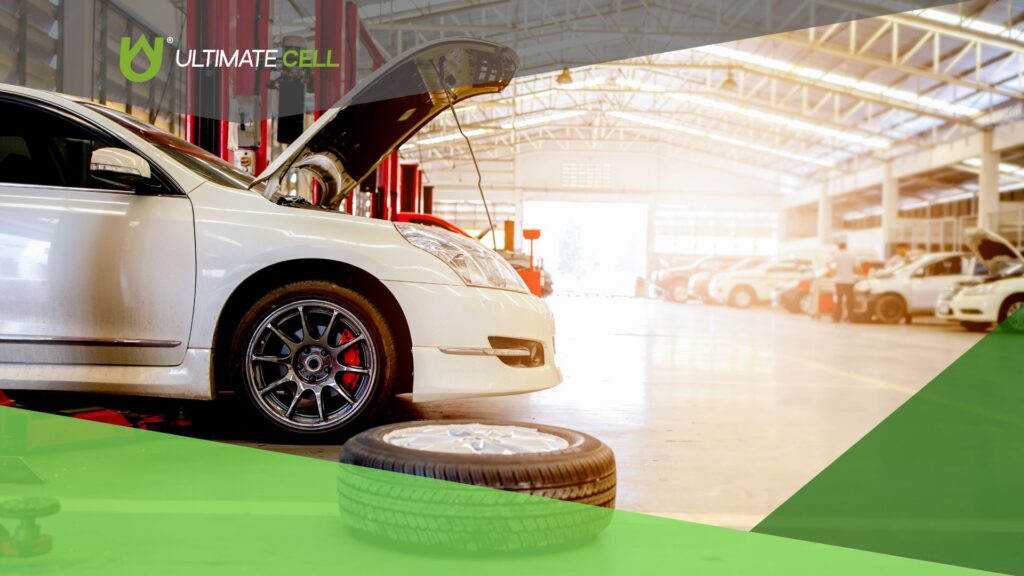
3. Tyre Care and Its Environmental Impact
How Proper Tyre Pressure Affects Fuel Consumption and Emissions
Maintaining the correct tyre pressure is essential for optimising your vehicle’s fuel efficiency and minimising emissions. When tyres are under-inflated, they create more rolling resistance. This means your car’s engine must work harder to move the vehicle, leading to increased fuel consumption and higher emissions. According to some estimates, driving on under-inflated tyres can increase fuel consumption by up to 3%. Over time, this can have a considerable impact on both your wallet and the environment.
Conversely, over-inflated tyres reduce the contact area with the road, which can lead to poorer traction and uneven tyre wear. This not only impacts safety but also increases the likelihood of premature tyre replacement, adding to environmental waste. Regularly checking your tyre pressure at least once a month and before long trips can ensure your tyres are at the optimal pressure recommended by your vehicle manufacturer.
The Relationship Between Wheel Alignment and Environmental Impact
Wheel alignment is another critical aspect of tyre care that can affect your vehicle’s emissions. When your wheels are not aligned correctly, it causes uneven tyre wear and increases rolling resistance, similar to the effects of improper tyre pressure. Misalignment can occur from everyday driving, particularly when encountering potholes or curbs.
Proper wheel alignment ensures that your vehicle handles correctly, reducing stress on the tyres and improving fuel efficiency. Poor alignment can decrease fuel efficiency by up to 10% and shorten the lifespan of your tyres, leading to more frequent replacements and greater environmental impact. Scheduling regular wheel alignment checks, especially after any significant impacts or at your recommended service intervals, will help maintain optimal vehicle performance and minimise your carbon footprint.
Choosing Eco-Friendly Tyres for Reduced Rolling Resistance
Investing in eco-friendly tyres is a proactive approach to reducing your vehicle’s environmental impact. Eco-friendly tyres are designed with special materials and tread patterns that minimise rolling resistance, which, in turn, improves fuel efficiency and lowers emissions. These tyres can reduce fuel consumption by about 4% compared to standard tyres, which can result in significant savings over the lifespan of the tyres.
When selecting eco-friendly tyres, look for models marked with labels such as “low rolling resistance” or those certified by environmental organisations. These tyres not only contribute to fuel savings but also tend to have longer lifespans, reducing the frequency of replacements and the environmental burden associated with tyre disposal.

4. Weight Management and Aerodynamics
The Effect of Excess Vehicle Weight on Emissions
The effect of excess vehicle weight on emissions and fuel efficiency is a crucial factor often overlooked by drivers. Carrying unnecessary weight can significantly decrease your fuel economy and increase your car’s emissions. Let’s explore how to manage vehicle weight effectively and improve aerodynamics to ensure a cleaner, more efficient drive.
Your car’s fuel efficiency drops noticeably with additional weight. For every 45 kg (around 100 lbs) you carry, your fuel economy can decrease by around 1%. This added weight forces the engine to work harder, consuming more fuel and emitting more CO2. Here are some practical steps to manage vehicle weight:
- Remove Unnecessary Items: Take a look in your boot and back seat. Are you carrying tools, sports equipment, or other items you don’t need for your current trip? Lightening your load can instantly improve fuel efficiency.
- Choose Lightweight Materials: When replacing parts or adding accessories to your car, choose lightweight options. Aluminium wheels, for instance, can reduce the car’s overall weight without compromising strength.
How Roof Racks and Cargo Boxes Impact Fuel Efficiency
Roof racks and cargo boxes are handy, but they can severely impact your car’s aerodynamics and fuel efficiency. These accessories can create drag, which means the engine has to work harder to maintain speed. This increased effort results in higher fuel consumption and emissions. Here are some tips to mitigate this effect:
- Remove When Not in Use: If you don’t need the roof rack or cargo box for a trip, take it off. This simple action can improve your fuel efficiency by up to 25%.
- Opt for Aerodynamic Designs: If you need to use a roof rack or cargo box regularly, choose aerodynamic designs. These are designed to reduce wind resistance and help maintain better fuel efficiency.
Simple Ways to Improve Your Car’s Aerodynamics
Improving your car’s aerodynamics can help reduce drag, enhance fuel economy, and lower emissions. Here are some effective ways:
- Keep Windows Closed: At higher speeds, open windows increase drag. Use your car’s ventilation system instead.
- Maintain Vehicle Shape: Ensure your car’s body is in good condition. Damaged body panels can disrupt airflow and increase drag.
- Front Air Dams and Rear Spoilers: These components, when correctly designed and installed, can help manage airflow around your car, reducing drag and improving stability.
By focusing on weight management and improving aerodynamics, you can make significant strides in reducing your car’s emissions and enhancing fuel efficiency. Whether it’s lightening your load or choosing aerodynamic accessories, small changes can lead to substantial benefits.

5. Installing the Ultimate Cell: A Modern Solution
Introduction to the Ultimate Cell Technology and Its Benefits
The Ultimate Cell technology is an innovative advancement for vehicle emission reduction. This device has been designed to be compatible with a wide range of vehicles, from cars and motorcycles to trucks, promising to significantly lower the production of harmful pollutants. The Ultimate Cell operates by employing a method that enhances the combustion process, leading to more efficient fuel usage and reduced output of harmful gases.
The device works by injecting a small amount of hydrogen and oxygen into the air intake system of the engine. This mixture promotes a more complete combustion of the fuel within the engine cylinders, which not only improves the engine’s efficiency but also reduces the production of emissions such as carbon monoxide (CO), hydrocarbons (HC), and nitrogen oxides (NOx).
One of the primary benefits of using the Ultimate Cell is its potential to improve fuel efficiency by up to 15%. This improvement translates to significant savings on fuel costs and also extends the life of the engine by reducing the build-up of carbon deposits.
How the Ultimate Cell Helps Reduce Harmful Emissions
The introduction of the Ultimate Cell to the vehicular system plays a crucial role in cutting down on harmful emissions. The device’s hydrogen infusion process ensures a cleaner and more efficient combustion. This means that less carbon is left unburned, resulting in lower levels of CO2 released into the atmosphere.
In addition to CO2 reduction, the Ultimate Cell lowers the emission of pollutants such as CO and HC. These are incomplete combustion products that contribute to air pollution and have harmful effects on human health and the environment. By enhancing the combustion process, the Ultimate Cell reduces the formation of these pollutants significantly.
Another key advantage is the reduction of NOx, which are a group of highly reactive gases notorious for their contribution to smog and acid rain. The improved combustion efficiency facilitated by the Ultimate Cell leads to lower combustion temperatures, which in turn results in less NOx formation.
The Installation Process and Expected Results for Your Vehicle
Installing the Ultimate Cell is a straightforward process that can be completed by a professional mechanic or by individuals with a reasonable level of mechanical knowledge. The device typically comes with comprehensive installation instructions, ensuring a smooth setup. Here are the common steps involved in the installation:
- Preparation: Ensure the vehicle is parked on a flat surface, and the engine is turned off and cool.
- Locate the Air Intake System: Identify the point in the air intake system where the Ultimate Cell will be installed, usually close to the air filter.
- Mounting the Device: Secure the Ultimate Cell in place, making sure it’s firmly attached and positioned correctly.
- Connecting the Hoses: Attach the provided hoses from the device to the air intake system.
- Wiring: Connect the device to the vehicle’s battery, ensuring the wiring is secure and out of the way.
- Testing: Start the vehicle and check for any leaks or errors. The device should be operational immediately.
Once installed, vehicle owners can expect to see improvements in fuel economy, typically noticing up to a 15% reduction in fuel consumption. Additionally, emissions testing will demonstrate lower levels of CO2, CO, HC, and NOx, indicating a cleaner and more environmentally friendly vehicle operation.
By enhancing vehicle performance while reducing harmful emissions, the Ultimate Cell represents a forward-thinking solution for environmentally conscious drivers. Regular monitoring and maintenance will ensure that the device continues to operate effectively, contributing to a reduction in the vehicle’s impact on the environment.