

Introduction
Sustainability in construction has become a crucial focus for the industry in the UK, driven by the urgent need to combat climate change and increasing regulatory pressures to adopt eco-friendly practices. With the built environment accounting for nearly 40% of the UK’s carbon emissions, the demand for carbon reduction in construction is stronger than ever. This blog aims to provide construction professionals, architects, and sustainability advocates with a comprehensive guide on practical strategies to reduce carbon footprints in their projects, incorporating innovative technologies such as hydrogen technology and sustainable building materials.
In this guide, we will explore the significance of sustainability in construction, examine the carbon footprint associated with various building practices, and present actionable strategies for carbon reduction. We will also look at the role of hydrogen technology in transforming the industry, showcase successful case studies, and discuss future trends that will shape sustainable construction practices in the UK.
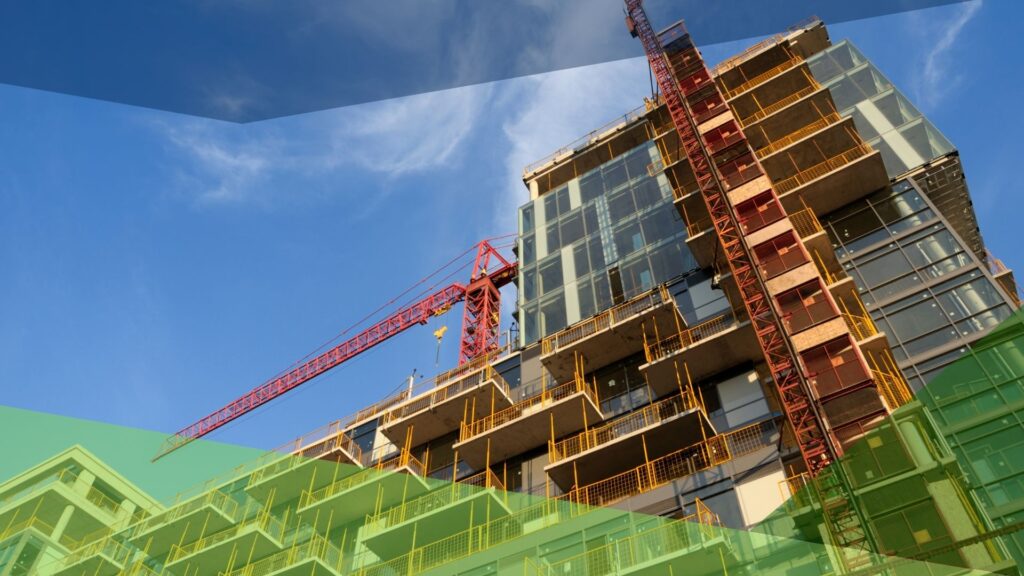
The Importance of Sustainability in Construction
Current Environmental Impact of the Construction Industry
The construction industry in the UK has historically contributed significantly to environmental degradation. From raw material extraction to construction waste, the sector’s activities generate substantial greenhouse gas emissions. According to a report by the UK Green Building Council, the construction and operation of buildings account for approximately 39% of total UK carbon emissions. The extraction and manufacturing of building materials alone contribute around 11% of these emissions.
Implications of Carbon Emissions
The implications of carbon emissions from construction are profound. Increased carbon levels in the atmosphere lead to climate change, resulting in extreme weather events, rising sea levels, and detrimental impacts on biodiversity. The UK government has set ambitious targets to achieve net-zero carbon emissions by 2050, compelling the construction industry to rethink its approach and implement sustainable practices.
Regulatory and Public Pressure for Sustainable Practices
In response to the climate crisis, regulatory pressure is escalating for the construction industry to adopt sustainable practices. The UK’s Building Regulations and the Environment Bill exemplify legislative measures mandating improved energy efficiency and reduced carbon emissions in buildings. Moreover, public demand for environmentally responsible construction is rising, with consumers increasingly preferring eco-friendly buildings. This shift is urging construction professionals to prioritise sustainability in their projects.
Understanding Carbon Footprint in Construction
Defining Carbon Footprint
In the context of construction, the term ‘carbon footprint’ refers to the total amount of greenhouse gases emitted directly or indirectly throughout a building’s lifecycle, from the extraction of raw materials to construction, operation, and eventual demolition. It is measured in carbon dioxide equivalents (CO2e) to account for different greenhouse gases.
Carbon Emissions from Construction Materials and Processes
The carbon emissions associated with construction materials vary significantly. For instance, concrete production is one of the largest sources of carbon emissions, contributing approximately 4.5% of global CO2 emissions. Steel production closely follows, with emissions largely stemming from the energy-intensive processes involved in its manufacture. A lifecycle assessment (LCA) can help identify the carbon impact of materials and processes, enabling professionals to make informed decisions about resource selection.
Statistics and Examples
- Concrete: Producing 1 tonne of cement releases approximately 0.9 tonnes of CO2.
- Steel: Manufacturing 1 tonne of steel emits about 1.8 tonnes of CO2.
- Timber: In contrast, sustainably sourced timber can sequester carbon, making it a preferable choice for eco-friendly building projects.
Lifecycle Assessment of Buildings
A lifecycle assessment evaluates the environmental impact of a building throughout its entire lifespan, including raw material extraction, manufacturing, transportation, construction, use, and demolition. Conducting an LCA helps identify opportunities for reducing carbon emissions and informs decisions regarding material selection, design efficiency, and energy use.
Strategies for Carbon Reduction in Construction
Sustainable Materials
Exploring Eco-Friendly Building Materials
Utilising sustainable building materials is one of the most effective strategies for carbon reduction. Materials such as recycled steel, bamboo, and reclaimed wood are gaining popularity due to their lower environmental impact compared to traditional resources.
- Recycled Steel: Reusing steel saves energy and reduces emissions by approximately 74% compared to producing new steel.
- Bamboo: This rapidly renewable resource can grow up to 91 cm in a single day and is known for its strength and durability, making it an excellent alternative to timber.
- Reclaimed Wood: Sourcing timber from demolished buildings not only reduces the need for new logging but also preserves the carbon stored in the wood.
Benefits and Implementation
Using sustainable materials can lead to significant carbon reductions, reduce waste, and lower overall project costs. Construction professionals should prioritise sourcing materials locally to minimise transportation emissions and consider the entire lifecycle of materials when planning projects.
Energy Efficiency in Design
Principles of Energy-Efficient Design
Energy-efficient design principles aim to reduce a building’s energy consumption, leading to lower carbon emissions during its operational phase. Key concepts include:
- Passive Solar Design: Orienting buildings to maximise natural light and heat can significantly reduce reliance on artificial lighting and heating systems.
- High-Quality Insulation: Investing in high-performance insulation materials can minimise heat loss, leading to lower energy consumption for heating and cooling.
- Energy-Efficient HVAC Systems: Implementing advanced HVAC systems can optimise energy use, providing comfort while reducing emissions.
Hydrogen Technology and Its Role in Carbon Reduction
Introduction to Hydrogen Technology
Hydrogen technology refers to the production and use of hydrogen as a clean energy source. By harnessing hydrogen fuel, the construction industry can reduce its dependence on fossil fuels, which are a major contributor to carbon emissions.
Hydrogen Fuel as an Alternative Energy Source
Potential Benefits and Drawbacks
Hydrogen fuel offers several advantages for the construction sector:
- Clean Energy Source: When used in fuel cells, hydrogen produces only water and heat as by-products, significantly reducing greenhouse gas emissions.
- Energy Density: Hydrogen has a high energy density, making it a powerful alternative to traditional fuels for construction machinery and equipment.
However, challenges persist:
- Production Emissions: Currently, most hydrogen is produced through natural gas reforming, which can emit CO2. Transitioning to green hydrogen, produced using renewable energy, remains a key goal.
- Storage and Transportation: Storing and transporting hydrogen requires specialised infrastructure, which may pose logistical challenges.
Ultimate Cell Technology
Understanding Ultimate Cell Technology
Ultimate cell technology refers to advanced fuel cell systems that convert hydrogen into electricity efficiently. These systems are poised to revolutionise the construction industry by providing clean energy for machinery, tools, and even building operations.
Relevance to Carbon Reduction
By adopting ultimate cell technology, construction companies can minimise their carbon emissions and enhance sustainability in their operations. As the technology matures, it promises to deliver cleaner and more efficient energy solutions for various applications, from powering construction sites to integrating with smart building technologies.
Future Trends in Sustainable Construction
Emerging Technologies and Concepts
The landscape of sustainable construction is evolving rapidly, with several trends and technologies set to shape the future:
- Circular Economy Principles: The circular economy promotes the reuse and recycling of materials to minimise waste. In construction, this can involve designing buildings for disassembly and using reclaimed materials.
- Artificial Intelligence in Construction: AI can optimise construction processes, improving efficiency and reducing waste. From predictive maintenance to project management, AI has the potential to enhance sustainability across the sector.
- Sustainability Certifications: The emphasis on sustainability certifications, such as BREEAM and LEED, is growing. These certifications not only encourage sustainable practices but also provide a competitive edge in the market.
Conclusion
In conclusion, the importance of sustainability in construction cannot be overstated. As the industry faces increasing pressure to reduce carbon emissions, adopting eco-friendly practices has become essential. This guide has outlined various strategies for carbon reduction, including the use of sustainable materials, energy-efficient design, and the incorporation of hydrogen technology.
By embracing these practical strategies, construction professionals can contribute to a more sustainable future, ensuring that their projects align with both regulatory demands and public expectations. As the construction landscape continues to evolve, it is crucial to remain proactive in implementing innovative solutions that drive sustainability and carbon reduction.