

Introduction
As the construction industry faces increasing scrutiny over its environmental impact, the urgency to adopt sustainable practices has never been greater. The sector is responsible for a significant portion of global carbon emissions, prompting the need for innovative solutions that can help mitigate this crisis. Hydrogen technology has emerged as a promising alternative, positioning itself as a key player in the movement towards sustainable construction. This blog will explore the fundamentals of hydrogen technology, its applications within the construction industry, the benefits it offers, the challenges that accompany its adoption, and its potential future in transforming how we build.
Readers will gain insights into how hydrogen technology can contribute to reducing carbon emissions, enhancing energy efficiency, and supporting the UK’s net-zero targets. By the end of this post, you’ll have a comprehensive understanding of why hydrogen technology is integral to the future of sustainable construction.
Understanding Hydrogen Technology
What is Hydrogen Technology?
Hydrogen technology refers to the methods and processes that harness hydrogen as an energy source. Unlike fossil fuels, hydrogen can be produced in a sustainable manner, especially when derived from renewable sources, resulting in green hydrogen. This form of hydrogen is created through the electrolysis of water, using electricity generated from renewable energy sources such as wind, solar, or hydroelectric power. In contrast, grey hydrogen is produced from fossil fuels, primarily natural gas, and results in significant carbon emissions.
Production, Storage, and Utilisation
Hydrogen can be produced through various methods:
- Electrolysis: This method uses electricity to split water into hydrogen and oxygen. When the electricity comes from renewable sources, the resulting hydrogen is considered green.
- Steam Methane Reforming (SMR): A more common method that extracts hydrogen from natural gas but produces carbon emissions. This is referred to as grey hydrogen.
- Biomass Gasification: This involves converting organic materials into hydrogen, offering a renewable approach, though it’s less prevalent.
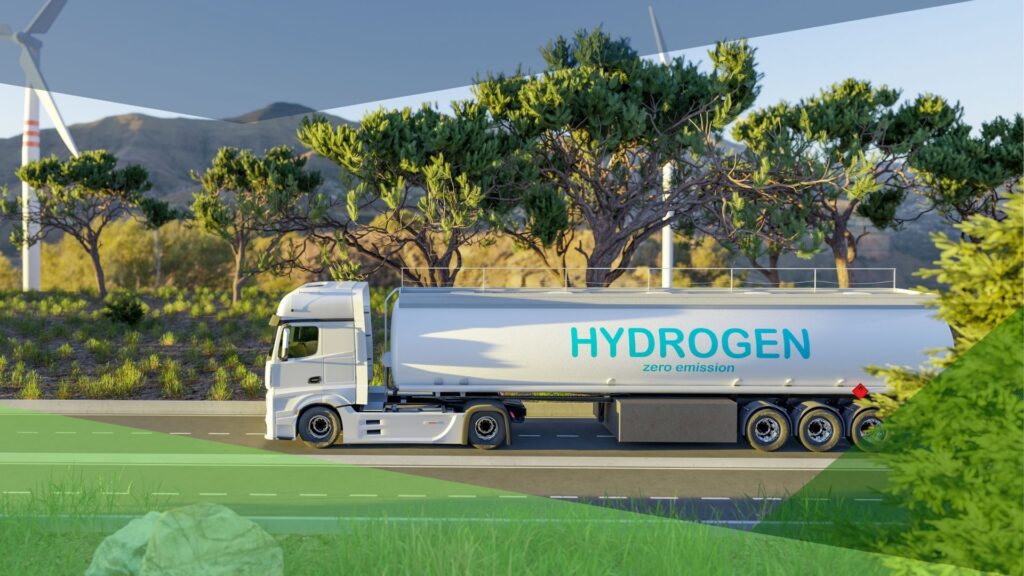
Once produced, hydrogen can be stored in gaseous or liquid form and transported via pipelines or in pressurised tanks. In the construction industry, hydrogen’s primary applications include powering machinery, heating, and producing materials.
Relevance to the Construction Industry
The construction industry is at a pivotal point where the integration of hydrogen technology could significantly reduce carbon emissions associated with traditional building practices. The potential for hydrogen to enhance energy efficiency on construction sites and in building operations is substantial. For instance, hydrogen fuel cells can power construction equipment, while hydrogen heating systems can provide energy for site facilities.

The Need for Sustainable Practices in Construction
Environmental Impact of Traditional Construction Methods
Traditional construction methods contribute to substantial environmental degradation, with the industry accounting for nearly 40% of global carbon emissions. This includes emissions from material production, transportation, and on-site operations. The reliance on fossil fuels not only leads to air pollution but also exacerbates climate change by increasing greenhouse gases in the atmosphere.
The Construction Industry’s Contribution to Climate Change
With the UK government committing to achieving net-zero emissions by 2050, the construction industry faces significant pressure to transition to sustainable practices. Current practices are unsustainable, leading to resource depletion, waste generation, and significant carbon footprints. The urgent need for alternatives is evident, particularly in light of the UK’s ambitious climate targets.
Current Regulations and Initiatives in the UK
The UK government has introduced several initiatives aimed at promoting sustainability within the construction sector. The Construction 2025 strategy outlines a vision for a more sustainable industry, focusing on reducing carbon emissions by 50% by 2025. Additionally, the UK Green Building Council (UKGBC) encourages the adoption of sustainable practices through guidelines and frameworks that support low-carbon construction.
Applications of Hydrogen Technology in Construction
Hydrogen Fuel Cells in Construction Machinery
Hydrogen fuel cells are a pivotal development in the application of hydrogen technology within the construction industry. These cells convert hydrogen into electricity, which can be used to power construction machinery such as excavators, cranes, and bulldozers. This transition from diesel to hydrogen-powered machinery can significantly reduce greenhouse gas emissions and improve air quality on construction sites.
Case Study: UK Construction Projects
A notable example of hydrogen fuel cell application in the UK is the use of hydrogen-powered construction vehicles in the development of the UK’s first hydrogen-powered construction site in the East Midlands. This project has demonstrated how fuel cells can efficiently power equipment with zero emissions, showcasing the potential for widespread adoption.
Hydrogen for Heating and Energy Supply
In addition to machinery, hydrogen can also be used for heating buildings on construction sites. Traditional heating methods often rely on fossil fuels, which contribute to carbon emissions. Hydrogen heating systems can provide a cleaner alternative, offering an efficient way to heat site facilities and reduce overall energy consumption.
Material Production: Low-Carbon Construction Materials
Hydrogen technology also plays a crucial role in the production of low-carbon construction materials. For instance, the cement industry is a significant contributor to carbon emissions due to the calcination process involved in cement production. Hydrogen can be used as a reducing agent in the production of cement and steel, resulting in lower emissions compared to conventional methods.
Case Study: Innovations in Material Production
A leading example is the collaboration between UK construction firms and research institutions to develop low-carbon cement using hydrogen. These initiatives aim to reduce the carbon footprint of cement production by integrating hydrogen into the manufacturing process, showcasing a vital step towards sustainable construction materials.
Benefits of Hydrogen Technology in Construction
Reduction in Carbon Emissions
One of the primary advantages of adopting hydrogen technology in the construction industry is the significant reduction in carbon emissions. By replacing fossil fuels with hydrogen in machinery and material production, the sector can achieve substantial decreases in greenhouse gas emissions. This aligns with global efforts to combat climate change and adhere to governmental regulations.
Energy Efficiency
Hydrogen technology enhances energy efficiency on construction sites. The use of hydrogen fuel cells can lead to more efficient operations, as they convert hydrogen into energy with minimal waste. Furthermore, incorporating hydrogen heating systems can lower overall energy consumption, contributing to more sustainable building practices.
Cost-Effectiveness Over Time
While the initial investment in hydrogen technology may be substantial, the long-term cost benefits can be significant. Reduced fuel costs, lower maintenance requirements for hydrogen-powered machinery, and potential government incentives for adopting green technologies can lead to substantial savings over time.
Job Creation and Industry Growth
The shift towards hydrogen technology in the construction sector can also stimulate job creation within the green economy. As the demand for skilled workers in hydrogen production, storage, and application grows, new opportunities will arise, fostering industry growth and innovation.
Challenges and Barriers to Adoption
Infrastructure Development
Despite the promising potential of hydrogen technology, significant challenges remain, particularly in infrastructure development. The current lack of hydrogen production, storage, and distribution infrastructure poses a barrier to widespread adoption. Investment in new facilities and transportation methods will be essential to support the integration of hydrogen into the construction industry.
Initial Costs and Investment
Transitioning to hydrogen technology requires substantial initial investment. The costs associated with purchasing hydrogen-powered machinery, retrofitting existing equipment, and training personnel can be prohibitive for many construction firms. Financial support and incentives from the government will be crucial in overcoming these obstacles.
Regulatory and Safety Concerns
Hydrogen is flammable and, if not handled properly, poses safety risks. The regulatory framework surrounding hydrogen use in construction is still evolving, and industry stakeholders must navigate these regulations to ensure compliance. Ongoing research into safety standards and best practices will be vital in addressing these concerns.
Research and Development Efforts
To overcome the challenges associated with hydrogen technology adoption, ongoing research and development efforts are necessary. Collaborations between industry stakeholders, government bodies, and research institutions can drive innovation and facilitate the development of safe and efficient hydrogen solutions for construction.
The Future of Hydrogen Technology in Construction
Advancements and Innovations
The future of hydrogen technology in the construction industry is promising, with ongoing advancements and innovations on the horizon. As research progresses, we can expect to see more efficient methods of hydrogen production, improved fuel cells, and enhanced safety measures, making hydrogen an increasingly viable option for construction.
Evolving Government Policies and Industry Initiatives
Government policies are likely to evolve to support the integration of hydrogen technology in construction practices. As the UK aims for net-zero emissions, we can anticipate increased funding and incentives for projects that incorporate hydrogen solutions, encouraging the industry to adopt cleaner practices.
Collaboration Between Stakeholders
Collaboration between government, industry, and research institutions will be crucial in driving the adoption of hydrogen technology. By working together, stakeholders can create a supportive environment for innovation, facilitate knowledge sharing, and establish best practices that promote the sustainable use of hydrogen in construction.
Conclusion
Hydrogen technology holds transformative potential for the construction industry, offering sustainable solutions that can significantly reduce carbon emissions and enhance energy efficiency. As the sector faces increasing pressure to adopt environmentally friendly practices, hydrogen presents a viable alternative that aligns with the UK’s ambitious climate goals.
By understanding and embracing hydrogen technology, construction professionals can play a pivotal role in shaping a more sustainable future. The transition to hydrogen-powered operations not only addresses climate change but also fosters innovation and job creation within the green economy.
As we move forward, it is essential for all stakeholders to consider the implications of hydrogen technology in their practices and explore how they can contribute to a more sustainable construction landscape. The future is bright for hydrogen technology, and its successful integration into the construction industry could redefine how we build for generations to come.