

Introduction to Dual-Fuel Hydrogen Systems
Understanding the Dual-Fuel Concept
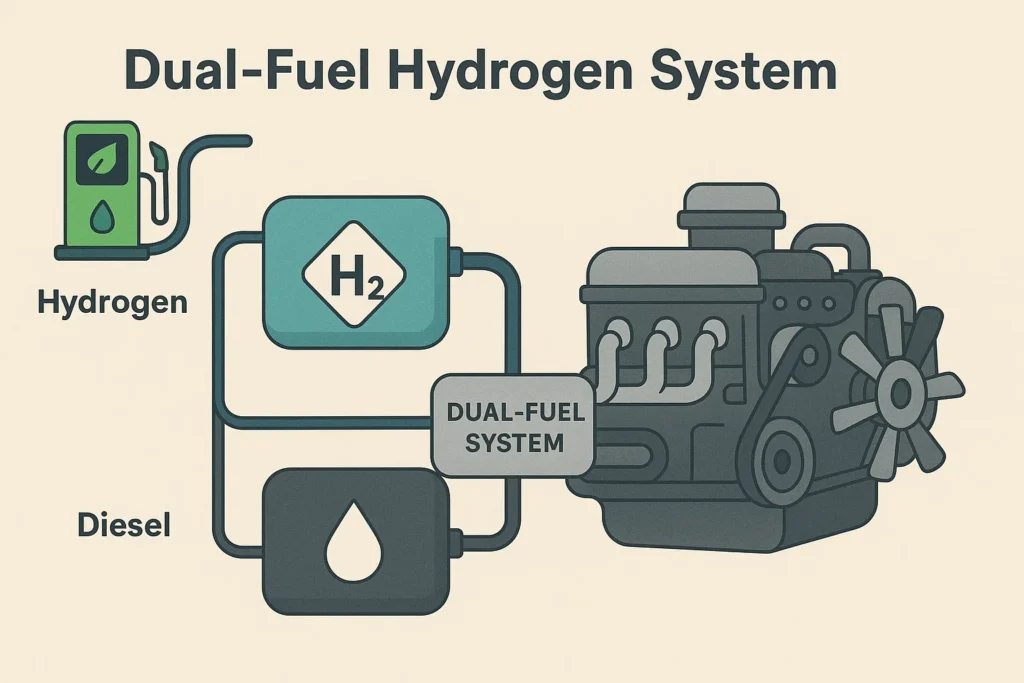
A dual-fuel hydrogen system is a technology that allows vehicles or machinery to operate on a combination of hydrogen and a conventional fuel, typically diesel. Rather than completely replacing traditional fuels, these systems inject hydrogen into the engine’s combustion chamber alongside the standard fuel. This blend enables engines to function as usual while reducing their carbon footprint, sometimes by up to 40% compared to pure diesel operation.
Integrating Hydrogen with Existing Fuels
Hydrogen can be integrated into many diesel engine platforms without extensive modifications. The process typically involves adding a hydrogen storage unit and an injection system that introduces hydrogen gas into the air intake or directly into the combustion chamber. The engine’s control system then ensures an optimal ratio between diesel and hydrogen for safe and efficient operation. Importantly, vehicles can still use only diesel if hydrogen is unavailable, preserving reliability for long distances and established routes.
Hydrogen used in these systems is generally stored in its compressed gaseous form, utilising durable tanks designed to withstand high pressure. This method of storage is well-established and supports ease of integration into various transport and industrial applications.
The Role of Hydrogen in the Energy Transition
Hydrogen’s primary appeal lies in its potential to decarbonise sectors where reducing emissions is especially hard, such as transport and heavy industry. When produced from renewable sources, known as green hydrogen, its use becomes even more attractive for climate action. Dual-fuel hydrogen solutions offer a practical and scalable step in cutting greenhouse gas emissions from existing engines, without the immediate need for full electrification or conversion to pure hydrogen vehicles.
By enabling carbon reduction using established infrastructure, dual-fuel hydrogen systems support the gradual shift toward cleaner energy in transport and industry. This flexible approach is gaining significance as policymakers and industries look for effective ways to balance the urgency of emission reductions with feasibility and cost.
How Dual-Fuel Hydrogen Systems Work
Technical Foundations of Hydrogen Injection
Dual-fuel hydrogen systems are designed to use hydrogen alongside conventional fuels (typically diesel or petrol) in internal combustion engines. In these systems, hydrogen is either premixed with intake air in the manifold or injected directly into the combustion chamber. This process requires only modest modifications to existing engine platforms, meaning that vehicles and machinery can be upgraded without significant redesign. For example, in direct injection setups, hydrogen is delivered directly into the combustion chamber while the liquid fuel is either injected into the intake manifold or into the combustion chamber via a secondary injector.
The Dual-Fuel Combustion Process
The working principle hinges on the unique combustion characteristics of hydrogen. When the intake process begins, hydrogen mixes with air and enters the cylinder. During compression, a small pilot injection of the conventional fuel is delivered near the top dead centre (TDC) of the piston’s stroke. The high reactivity of this fuel causes it to autoignite, which in turn ignites the hydrogen-air mixture. The controlled explosion drives the piston, generating mechanical power. This method increases flame speed and enhances thermal efficiency, but balancing the fuel ratios is crucial to avoid premature ignition or knocking.
Comparison with Hydrogen Fuel Cells
Unlike dual-fuel systems, hydrogen fuel cells do not rely on combustion. Instead, they convert hydrogen’s chemical energy directly into electricity via an electrochemical reaction, producing only water as a by-product. This results in zero local emissions and very high efficiency, though fuel cells typically require more complex infrastructure and higher upfront investment. By contrast, dual-fuel hydrogen engines are more adaptable to existing machinery, allowing for a gradual transition within the current transport and industrial sectors.
Benefits of Dual-Fuel Hydrogen Technology
Carbon Emission Reduction
One of the most significant advantages of dual-fuel hydrogen systems is their ability to reduce carbon emissions by up to 40% when compared to conventional diesel engines. By substituting a portion of diesel with hydrogen, engines emit less carbon dioxide per unit of energy produced. This effect makes dual-fuel hydrogen technology a practical path for reducing the environmental footprint of transport and industrial machinery, especially in sectors where complete electrification is not yet feasible.
Fuel Flexibility and Infrastructure Compatibility
A key benefit of dual-fuel systems lies in their fuel flexibility. These systems enable engines to operate on a blend of hydrogen and conventional fuels, switching ratios based on fuel availability or operational demands. This not only extends the range of vehicles but also provides resilience during the transition to cleaner energy sources. Importantly, the basic engine architecture and supporting infrastructure can remain largely unchanged, which avoids the massive costs and disruptions tied with full replacement or electrification.
Efficiency and Performance Improvements
Dual-fuel hydrogen engines often experience improved thermal efficiency compared to pure diesel operation. Integrating hydrogen enhances the combustion process by providing a higher flame speed. This results in more complete fuel burn, leading to enhanced power output and smoother engine response. Performance gains are realised without compromising reliability or requiring significant changes to the engine’s hardware. Such efficiency improvements are vital for heavy-duty applications, where demands on power and durability are high.
Applications in Vehicles and Machinery
Commercial Transport
Dual-fuel hydrogen systems are finding their place in commercial transport, particularly in heavy-duty trucks and buses. These vehicles require substantial power and often have long operating hours, making them ideal candidates for technologies that can deliver both performance and reduced emissions. Integrating hydrogen with conventional fuels allows fleets to significantly cut carbon emissions without extensive changes to existing engines or fuel infrastructure. This flexibility makes dual-fuel systems suitable for freight hauliers and transit agencies seeking practical ways to lower their environmental impact quickly and affordably.
Industrial Machinery and Off-Highway Use
Beyond road vehicles, dual-fuel hydrogen technology is growing in importance for industrial and off-highway machinery. Equipment such as excavators, tractors, and bulldozers typically run in environments where electrification proves challenging due to power requirements and operational cycles. With dual-fuel systems, these machines can operate with hydrogen supplementing diesel or other fuels, leading to reduced greenhouse gas emissions and improved fuel efficiency. Since the basic operation of these engines remains unchanged, businesses can adapt existing fleets rather than replace expensive machinery outright.
Stationary Power Generation
Another promising area for dual-fuel hydrogen adoption is stationary power generation. Facilities that generate their own electricity, such as construction sites, remote communities, and backup power stations, can utilise dual-fuel engines to reduce their reliance on diesel alone. The integration of hydrogen helps cut emissions and can improve operational flexibility, especially when hydrogen is produced locally using renewable sources. This approach supports lower-carbon energy solutions without requiring the shift to entirely new generator designs.
Dual-fuel hydrogen systems thus offer practical benefits across a range of transport and machinery sectors. By leveraging compatibility with current platforms, they present a strong case for broader adoption as industries seek immediate and cost-effective routes to decarbonisation.
Challenges and Limitations
Infrastructure Availability and Hydrogen Supply
A major challenge for dual-fuel hydrogen systems is the lack of robust infrastructure. Refuelling stations for hydrogen are sparse, making it difficult for vehicles and machinery to operate widely. Transporting hydrogen adds complexity, as it has low energy density by volume and must be stored in high-pressure tanks or cryogenic containers. Hydrogen is also highly flammable; because it is colourless and odourless, leak detection is problematic. These issues raise safety and logistical concerns for widespread adoption.
Hydrogen itself, while abundant in compound form, is rare as a pure gas. Producing it also requires substantial energy and resources. Most hydrogen is still generated from fossil fuels, which can undermine its environmental benefits if not sourced renewably.
Economic Barriers
Cost remains a critical limitation. Hydrogen production, storage, and transportation all involve significant expense. Electrolysis, which produces hydrogen from water using electricity, is energy-intensive and costly. Building new supply infrastructure, such as pipelines and refuelling stations, requires large capital investment. This can deter companies from adopting the technology, especially in the absence of guaranteed demand or supportive policy measures.
Technical and Environmental Constraints
Technical issues arise in the operation of hydrogen dual-fuel engines. High combustion temperatures from hydrogen can lead to elevated nitrogen oxide (NOx) emissions, presenting environmental and regulatory challenges. Engines can also be prone to knocking when running on high percentages of hydrogen, which can affect performance and engine lifespan. These hurdles require careful engine tuning and, sometimes, the use of additional emission control technologies.
Economic Considerations
Initial Investment and Long-Term Savings
Introducing dual-fuel hydrogen systems requires upfront investment. Conversion kits and hydrogen storage solutions add to the cost of existing vehicles or machinery. The price of hydrogen production is currently high, largely because electrolysis (one of the main methods) is both energy intensive and costly. Additionally, hydrogen storage often relies on high-pressure tanks or cryogenic systems, which further increase expense.
However, long-term operational savings are possible. These systems can use hydrogen blended with cheaper conventional fuels, reducing overall fuel costs if hydrogen prices become more competitive. Existing infrastructure can often be used, helping avoid the large-scale fleet or equipment replacement associated with adopting full electric or fuel cell technology.
Comparing Fuel Costs
Hydrogen’s cost compared to petrol and diesel remains an economic challenge. Currently, the cost per mile for hydrogen vehicles is higher than for vehicles running on petrol, diesel, or hybrid fuels. Estimates suggest that fuel cell vehicles using hydrogen can cost about three times more per mile than petrol hybrids, and twice as much as conventional petrol options. Even where production costs dip using cheaper methods like steam methane reforming, hydrogen rarely matches the affordability of conventional fuels in most regions.
Incentives and Policy Support
Economic incentives are crucial for encouraging the adoption of dual-fuel hydrogen solutions. Grants, subsidies, and tax credits play a role in offsetting initial costs and making the transition more appealing. Policies that favour alternative fuels, such as fuel tax reductions or support for hydrogen infrastructure, also help.
Fuel prices remain variable and region-dependent, and as conventional fuel prices increase, alternative options like hydrogen become more attractive to fleet operators.
Environmental Impact and Sustainability
Emissions Reduction Compared to Diesel
Dual-fuel hydrogen systems offer a clear environmental advantage over conventional diesel engines. By introducing hydrogen alongside diesel, these systems can reduce carbon dioxide (CO₂) emissions by up to 40% compared to standard diesel operation. Studies also show decreased emissions of particulate matter, unburned hydrocarbons, and carbon monoxide. However, nitrogen oxides (NOₓ) can rise with high hydrogen fractions due to higher combustion temperatures, though optimising engine control strategies helps mitigate this.
Life Cycle Assessment Considerations
Understanding the full environmental impact requires life cycle assessment (LCA). This method examines each stage: hydrogen production, transport, engine integration, use, and end-of-life. The environmental footprint of hydrogen depends heavily on production methods. Green hydrogen, made via electrolysis using renewable energy, has the lowest impact. In contrast, grey hydrogen from fossil fuels has associated greenhouse gas emissions. LCA also considers water use, energy consumption, and any toxicity risks throughout the product’s life, offering a comprehensive view of sustainability.
Supporting Decarbonisation Goals
Hydrogen’s integration in dual-fuel engines supports transport and industry in meeting decarbonisation targets. For sectors where full electrification is not practical, like heavy-duty trucks, off-highway machinery, and some stationary power applications, hydrogen blends offer an accessible path to immediate emission reductions while infrastructure for zero-emission solutions matures. This positions dual-fuel hydrogen technology as a transitional bridge, maintaining performance and reliability while cutting carbon intensity.
Conclusion: Dual-Fuel Hydrogen as a Transition Technology
Dual-fuel systems and their role in the energy transition
Dual-fuel hydrogen technology plays an important role as an interim step in the journey towards cleaner energy. These systems allow existing combustion engines to use a blend of hydrogen and diesel or similar fuels, leading to notable reductions in CO₂ emissions, often up to 40% compared to conventional diesel engines. This immediate impact supports industries and transport sectors that cannot easily move directly to zero-emission options.
Balancing current emissions with future goals
Integrating hydrogen with traditional fuels strikes a balance between the urgent need to reduce carbon emissions now and the long-term goal of total decarbonisation. Dual-fuel configurations are compatible with existing infrastructure, so businesses can adopt them with modest changes to current machinery and processes. This reduces barriers to entry, enabling progress even in areas where electrification or full hydrogen adoption is not yet practical. In practice, these systems keep operations running smoothly and reliably, even if hydrogen supply is sometimes interrupted.
When powered by green hydrogen the environmental benefits are maximised. However, progress toward net-zero emissions remains linked to further advancements in hydrogen production and distribution.